
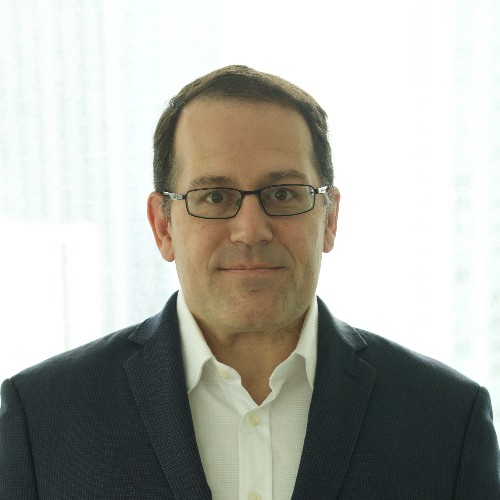
By Daniel Sweeney
VP, Anthropic Capability Leader
In August, Salesforce and Anthropic announced Claudeforce, an expanded strategic partnership bringing Claude's intelligence and reasoning together with Salesforce's trusted platform technology. Together, data, workflows, business logic, actions, and governance are securely accessible to power agentic experiences.
The partnership debuts with Salesforce in Claude - a plugin with 37 prebuilt sales skills so sellers and agents can reason over live revenue data, automate pipeline updates, and take governed action without leaving Claude. Each seller sees only what their Salesforce permissions allow, every action routes back through Salesforce, and Salesforce has committed to zero data retention, meaning the model provider does not keep your business data. Analytics through Tableau and skills for service, marketing, commerce, and industries come next.
Three weeks later at Dreamforce, Salesforce put a name on the rest of it. AIforce is the layer that brings the Salesforce platform to any agent, and Salesforce in Claude, Slackforce, and Agentforce Coworker are the three ways in.
A Powerful Partnership
The core insight is that intelligence and infrastructure solve different problems. As Marc Benioff put it on the August earnings call, "probabilistic intelligence alone doesn't run a company, and deterministic systems don't reason."
Claude brings the reasoning; Salesforce brings the data, business rules, and workflows enterprises already run on. AIforce is the harness between them. In Salesforce's own words: every request runs on existing permissions and business rules, every agent sees only what the person asking can see, and every action routes back through Salesforce. Anthropic's side of the same promise is Enterprise Frontier Safeguards, announced September 1 for enterprise customers: zero data retention plus misuse monitoring, with the monitoring data stored in the customer's own cloud account.
But it's worth being precise about what is changing. The interface moved (you can now reach your CRM from Claude, from Agentforce Coworker inside Salesforce, and from Slack) but the org underneath it didn't. Same permission sets, same fields, same record-level security. You've gained three front ends onto one back end, not three separate systems. That is the good news. Nothing to migrate, no new permissions model to build, and the admin work you have already done carries into all three.
CIO's read is that Claudeforce would solve two of the most common complaints about enterprise software: usability and customization. Claudeforce is a bet that AI can solve both at once. The analyst read is that the agent becomes the interface and the platform underneath becomes a headless system of record.
The Business Impact
For sellers, this has the potential to reframe CRM work: ask instead of dashboard-hop, and get an answer grounded in live pipeline data instead of a dozen browser tabs. The outcomes a revenue leader actually buys are more specific than that. Every open opportunity carries a current next step and close date, because the skills that read those fields give a wrong answer when they are blank.
Pipeline updates are written back under the org's own rules and approval steps, not typed in by hand. Slips show up when they happen, not at quarter end, so the forecast commit is one you can defend. A manager gets a pipeline answer in minutes instead of opening the meeting with an hour of pulling and reconciling. Turning it on is the fast part.
But speed of deployment is not the same as readiness.
Coworker is a button. The plugin is a connection. Neither one fixes an org with incorrect or missing data; it just gives that bad data three new places to be wrong. A blank next step or a rolling close date used to be a stale field one person might eventually notice. Now it's a wrong answer in three places at once: Claude, Coworker, and Slack.
Takeaways from Dreamforce
Three things from the keynote are worth carrying.
Coworker needs no project. Salesforce's words: no migration, no new permissions model. That is why readiness has to come first. There is no implementation phase to hide the data problems in.
The executive board built on the main stage was a brief and a spec before it was a board. That is the discipline, not the dashboard.
AIforce runs on the Headless Toolkit, the same layer that exposes the platform to MCP servers, APIs, and plugins. So the enablement question in the list above is not a plugin detail.
Five Important Questions
Readiness here is org work, not plugin work. Do it once and it covers all three surfaces. Before you turn any of them on, answer these five questions:
- Visibility by persona: What can each role actually see once Claude is reasoning over live CRM data? Pick five real seller personas and read-test each one through the agent, not from a spreadsheet of permission sets.
- Pipeline field hygiene: What percentage of open opportunities have a current next step, a close date inside the quarter it belongs to, and activity in the last two weeks?
- Headless enablement: Is the Headless Toolkit enabled on your org, and which edition and license requirements apply to yours? The plugin reaches the org through it.
- Write governance: Who approves a write-back action, and what gets logged? Which policy does security sign before the first seller connects? If the answer is the defaults, write the policy first.
- Seat ownership and cost: Who owns seats internally, and what's the monthly number? Which contract covers inference? Salesforce has said pricing and packaging are subject to change.
Salesforce in Claude has been in beta for all Salesforce customers since Dreamforce, with analytics and skills for service, marketing, commerce, and industries to follow. None of that takes long to switch on. The data work does, and it is the same data work regardless of which front end someone opens first.
If you're planning to turn on Salesforce in Claude, Slackforce, or Agentforce Coworker, start with the five questions above. Astound can work through them with your team against your own org before the first seller connects. Reach out to set up a readiness conversation.
##
Daniel Sweeney leads the Anthropic practice at Astound Digital where he manages the delivery methodology, the enablement behind it, and the governance thinking that helps enterprise Salesforce programs adopt Claude responsibly.
Astound Digital is a Salesforce Summit Partner, Anthropic partner, and has 38+ Claude-certified architects.
.png)

.png)